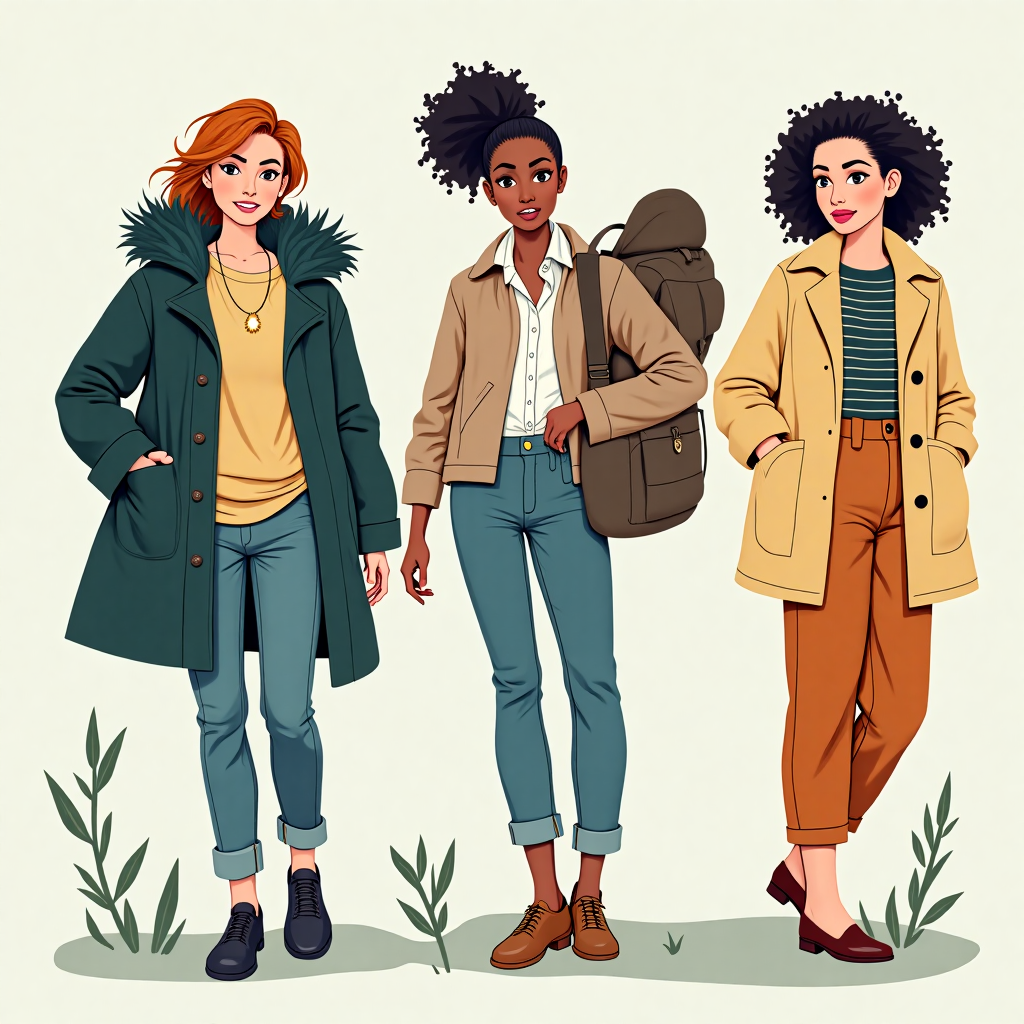
The Compassionate Closet: A Complete Guide to Vegan Fashion, Animal-Free Materials, and Cruelty-Free Apparel
The fashion industry is undergoing a profound transformation. For years, style was often synonymous with leather handbags, silk blouses, wool coats, and fur-trimmed collars. Today, a growing number of designers, brands, and consumers are proving that high fashion does not have to come at the expense of animal life. Vegan fashion, animal-free materials, fur-free fashion, and cruelty-free apparel have moved from the fringes of the industry to the very heart of global style conversations. This shift is not just about avoiding animal products; it is about reimagining what luxury, comfort, and innovation can look like when compassion leads the way.
Whether you are a lifelong vegan, a curious shopper, or someone simply looking to make more ethical wardrobe choices, understanding the landscape of cruelty-free fashion is empowering. This guide will walk you through the core principles of vegan fashion, the innovative materials reshaping the industry, how to spot genuinely cruelty-free apparel, and practical tips for building a wardrobe that reflects both your values and your personal style.
What Does Vegan Fashion Really Mean?
At its core, vegan fashion refers to clothing, shoes, and accessories that are made without the use of any animal products. This means no leather, fur, wool, silk, down, cashmere, angora, mohair, shearling, or exotic skins. However, true vegan fashion goes beyond simply avoiding obvious animal-derived materials. It also excludes hidden animal ingredients such as certain dyes, glues, and finishes that may be derived from animal by-products. In a fully vegan garment, every component, from the outer fabric to the buttons and stitching, must be free from animal origins.
It is important to note that vegan fashion is not automatically synonymous with sustainable or ethical fashion. A jacket made from petroleum-based faux leather may be vegan, but it can still carry a heavy environmental footprint. For this reason, many conscious consumers now look for animal-free materials that are also plant-based, recycled, or biofabricated. The goal is to create apparel that is kind to animals, gentle on the planet, and safe for the people who make it. When these values align, vegan fashion becomes a powerful force for positive change.
Why Fur-Free Fashion Matters More Than Ever
Fur has a long and complicated history in fashion. For centuries, fur was worn as a symbol of status and warmth. Yet behind the glamour lies immense animal suffering. Animals on fur farms are often confined to tiny, filthy wire cages, deprived of the ability to express natural behaviors, and killed using methods that are far from humane. In the wild, animals are caught in brutal steel-jaw traps that can leave them struggling for days. The rise of fur-free fashion is a direct response to this hidden cruelty.
Today, fur-free policies are gaining momentum across the globe. Major fashion houses, luxury brands, and high-street retailers have announced bans on fur, recognizing that modern consumers no longer view animal fur as a desirable luxury. Cities like Los Angeles, São Paulo, and entire countries such as Israel have implemented bans on fur sales. This cultural shift sends a clear message: compassion is the new standard of luxury. High-quality faux fur is now so advanced that it can mimic the softness, warmth, and movement of real fur without any of the suffering.
- Ethical clarity: Fur-free fashion eliminates the need for fur farming and trapping.
- Design innovation: Modern faux furs are made from recycled and plant-based fibers.
- Consumer demand: Surveys consistently show that a majority of shoppers prefer fur-free brands.
- Legislative progress: Fur bans and restrictions are increasing worldwide.
The Rise of Animal-Free Materials
The most exciting development in vegan fashion is the rapid advancement of animal-free materials. Gone are the days when choosing vegan meant settling for stiff, plastic-looking alternatives. Today, designers have access to a stunning range of innovative textiles that look, feel, and perform like traditional animal-derived materials, often with a smaller environmental footprint.
Plant-Based Leathers
Leather has long been one of the most difficult materials to replace in fashion. Traditional animal leather is durable, flexible, and develops a unique patina over time. However, the environmental and ethical costs of leather production are enormous, from deforestation for cattle ranching to the toxic chemicals used in tanning. Plant-based leathers offer a compassionate and increasingly sustainable alternative. These materials are made from a surprising variety of sources, including pineapple leaves, apple peels, cactus, cork, mushroom mycelium, and grape skins.
Piñatex, made from pineapple leaf fibers, is used in shoes, bags, and accessories. Apple leather transforms waste from the juice industry into a supple, durable material. Cactus leather, often sourced from the nopal cactus, requires very little water and no pesticides. Mushroom leather, also known as mycelium leather, is grown in laboratories and can be engineered to mimic the texture and durability of animal hides. These materials are not just alternatives; they are proving to be superior in terms of resource efficiency and biodegradability.
Recycled and Upcycled Fabrics
Another pillar of cruelty-free apparel is the use of recycled and upcycled materials. Recycled polyester, often made from plastic bottles, provides a vegan alternative to wool and silk in many garments. Recycled nylon is widely used in activewear and outerwear. Upcycled fabrics, which are made from pre-consumer or post-consumer textile waste, reduce the need for virgin resources and keep valuable materials out of landfills. By choosing recycled and upcycled vegan fabrics, consumers can support a circular fashion economy that respects both animals and the planet.
Biofabricated and Lab-Grown Materials
The future of vegan fashion lies in biofabrication. Scientists are now growing materials in laboratories using cells, proteins, and microorganisms. Lab-grown leather, for example, can be produced by cultivating animal cells without ever harming an animal. Similarly, spider silk proteins can be fermented using yeast to create a silky, durable fiber that is completely animal-free. While still in the early stages of commercialization, these technologies represent a revolutionary step forward. They offer the possibility of creating materials that are biologically identical to animal products but without any of the ethical or environmental drawbacks.
How to Identify Cruelty-Free Apparel
Navigating the world of vegan fashion can be challenging, especially when labels are vague or misleading. Greenwashing and “vegan-washing” are real problems. A product may claim to be cruelty-free, but upon closer inspection, it may contain hidden animal ingredients. Learning to read labels and recognize trusted certifications is essential for any conscious consumer.
Trusted Certifications and Labels
Several organizations offer certifications that verify a product is free from animal-derived materials and has not been tested on animals. Looking for these labels can save you time and give you confidence in your purchases.
- PETA-Approved Vegan: Products with this label are certified by People for the Ethical Treatment of Animals as containing no animal-derived materials.
- The Vegan Society Trademark: One of the most recognized vegan labels worldwide, ensuring products and their ingredients are free from animal use.
- Leaping Bunny: While primarily focused on cruelty-free cosmetics and personal care, this label also appears on some apparel and cleaning products, certifying no animal testing.
- Global Organic Textile Standard (GOTS): Not exclusively vegan, but it ensures organic and ethical textile production, often used alongside vegan claims.
- OEKO-TEX Standard 100: Certifies that textiles are free from harmful substances, which is useful when evaluating vegan synthetic materials.
Common Hidden Animal Ingredients
Even if a garment is made from cotton or polyester, it may still contain animal-derived components. Understanding where animal products hide can help you avoid them.
- Glues and adhesives: Many shoes and accessories use animal-based glues derived from hooves, bones, or fish.
- Dyes and inks: Some dyes, especially deep reds and purples, historically use cochineal insects or shellac.
- Buttons and trims: Horn, bone, mother-of-pearl, and shell buttons are common on otherwise vegan garments.
- Wax coatings: Beeswax or lanolin (from sheep’s wool) may be used to coat threads or fabrics.
- Fillings and linings: Down feathers, silk linings, and wool interlinings often hide inside jackets and structured garments.
When in doubt, contact the brand directly and ask about their materials and manufacturing processes. A truly transparent company will be happy to provide detailed information. If a brand is vague or evasive, it may be best to look elsewhere.
Building a Vegan Wardrobe on Any Budget
Transitioning to a cruelty-free wardrobe does not require a complete closet overhaul overnight. In fact, the most sustainable approach is to use what you already own and replace items gradually as they wear out. If you already own leather shoes, wool sweaters, or silk blouses from before you adopted a vegan lifestyle, continuing to wear them is often considered acceptable by many vegans, as it does not create additional demand. The goal is to avoid purchasing new animal products going forward.
When you are ready to buy new items, there are vegan options at every price point. Fast fashion brands increasingly offer affordable faux leather jackets, vegan sneakers, and fur-free coats. However, it is worth investing in higher-quality pieces from dedicated vegan brands when possible. These items are often made from innovative plant-based materials and are built to last, reducing waste over time.
- Start with essentials: Replace worn-out shoes, belts, and bags with vegan alternatives first.
- Shop secondhand: Thrift stores and online resale platforms offer a wide range of vegan and non-vegan items. If you choose to buy secondhand leather, opinions vary, but many vegans avoid it to maintain a clear ethical stance.
- Research dedicated vegan brands: Many companies now specialize exclusively in cruelty-free fashion, offering everything from everyday basics to luxury statement pieces.
- Read labels carefully: Make label reading a habit, checking for hidden animal ingredients and trusted certifications.
- Care for your clothes: Proper washing, storage, and repair extend the life of your garments, reducing the need for frequent replacements.
Styling Cruelty-Free Looks
One of the most persistent myths about vegan fashion is that it is frumpy, limited, or unsophisticated. In reality, cruelty-free apparel has never been more stylish or diverse. From sleek faux leather trousers to cozy recycled wool coats and elegant plant-based silk dresses, the options are endless. Designers are pushing the boundaries of what animal-free materials can do, creating garments that are indistinguishable from their animal-derived counterparts in terms of look and feel.
The key to styling vegan fashion is the same as styling any wardrobe: focus on fit, quality, and personal expression. A well-tailored vegan blazer can elevate any outfit, while a pair of high-quality cactus leather boots adds an edge without compromising your values. Neutral tones made from organic cotton, hemp, and Tencel create a timeless foundation, while bold accessories made from recycled materials add personality. Layering different textures, such as a soft bamboo knit over a sleek vegan leather skirt, creates visual interest and demonstrates that compassion and beauty can coexist.
The Environmental and Ethical Impact of Cruelty-Free Apparel
Choosing vegan fashion is a powerful way to reduce animal suffering, but the benefits extend far beyond ethics. Animal agriculture for fashion is a leading driver of deforestation, water pollution, and greenhouse gas emissions. Leather production alone requires vast amounts of land, water, and toxic chemicals. Fur farming generates enormous amounts of waste and consumes significant resources. By shifting to animal-free materials, consumers can help reduce the environmental burden of their wardrobes.
Plant-based leathers, for example, often use agricultural by-products that would otherwise go to waste. Cactus leather requires minimal water, while mushroom leather can be grown in a matter of weeks. Recycled fabrics reduce the need for virgin petroleum and divert plastic waste from oceans and landfills. Of course, not all vegan materials are equally sustainable. Polyurethane faux leather, for instance, is derived from fossil fuels and does not readily biodegrade. This is why education is so important. The most responsible choice is to seek out materials that are both cruelty-free and environmentally sound.
Beyond environmental concerns, cruelty-free apparel also intersects with human rights. Many animal-derived supply chains involve dangerous working conditions, from tannery workers exposed to toxic chemicals to slaughterhouse employees facing high injury rates. Vegan materials, particularly those made under fair labor standards, offer a path toward a fashion industry that respects all beings, human and non-human alike.
Challenges and Misconceptions About Vegan Fashion
Despite its rapid growth, vegan fashion still faces challenges and misconceptions. One common myth is that vegan leather is always better for the environment than animal leather. While it is true that vegan leather avoids animal cruelty, some synthetic versions have significant environmental drawbacks. The rise of plant-based and biofabricated alternatives is helping to solve this problem, but consumers must remain discerning.
Another misconception is that vegan fashion is only for vegans. In reality, many people choose cruelty-free apparel for environmental, health, or ethical reasons without fully embracing a vegan lifestyle. The beauty of animal-free fashion is that it is inclusive. Anyone can choose a pair of cactus leather shoes or a recycled wool coat and feel good about their purchase. As awareness grows, the stigma once associated with alternative materials is fading, replaced by admiration for their innovation and compassion.
There is also the challenge of accessibility. High-quality vegan fashion can be expensive, and not everyone has access to dedicated vegan brands. However, the market is expanding rapidly, and affordable options are becoming more widely available. Thrift stores, clothing swaps, and DIY projects offer additional pathways to a cruelty-free wardrobe on a budget.
Conclusion
Vegan fashion, animal-free materials, fur-free fashion, and cruelty-free apparel represent a fundamental shift in how we think about clothing. No longer must style come at the cost of animal suffering or environmental destruction. With innovative plant-based leathers, recycled fabrics, and biofabricated materials, the fashion industry is proving that compassion and creativity can go hand in hand. By learning to read labels, supporting transparent brands, and making thoughtful choices, every consumer can contribute to a more ethical and sustainable future.
Your wardrobe is a reflection of your values. Choosing cruelty-free apparel is a daily act of kindness that ripples outward, influencing designers, retailers, and the planet. Whether you are taking your first steps toward a vegan closet or deepening an existing commitment, every purchase is a vote for the world you want to see. And in that world, fashion is not only beautiful, it is also kind.